Exploring the Future of Oral Health with Advanced Dental Technologies
Dentistry has undergone a dramatic transformation over the past few decades, driven by breakthroughs in science and engineering. What was once a field reliant on basic hand tools and visual assessments has evolved into a sophisticated healthcare discipline enriched by digital diagnostics, laser equipment, and biotechnology. This progression has not only enhanced the accuracy and comfort of treatments but also improved long-term outcomes for patients.
At the heart of this transformation lies a suite of advanced dental technologies that are changing how professionals approach routine check-ups, restorations, and preventive care. These innovations cater to both patient and practitioner, prioritizing efficiency, precision, and patient experience.
Let’s dive into some of the key technologies making waves in modern dental practice and understand how they’re reshaping the future of oral healthcare.
Digital Imaging and Diagnostics
Traditional x-rays have long been a staple in dental clinics, but today’s digital imaging technologies are far superior in terms of safety, speed, and detail.
· Digital Radiography: Unlike conventional x-rays that use film, digital radiographs produce clearer images with up to 90% less radiation. This allows dentists to make faster, more accurate diagnoses.
· Intraoral Cameras: These small, pen-like devices give dentists a high-resolution, real-time view of the mouth. Patients can also see the images, which aids in education and treatment planning.
· Cone Beam Computed Tomography (CBCT): This 3D imaging technology provides comprehensive views of the jaw, teeth, nerves, and sinuses, and is particularly useful for planning surgeries, implants, and orthodontic work.
Laser Dentistry
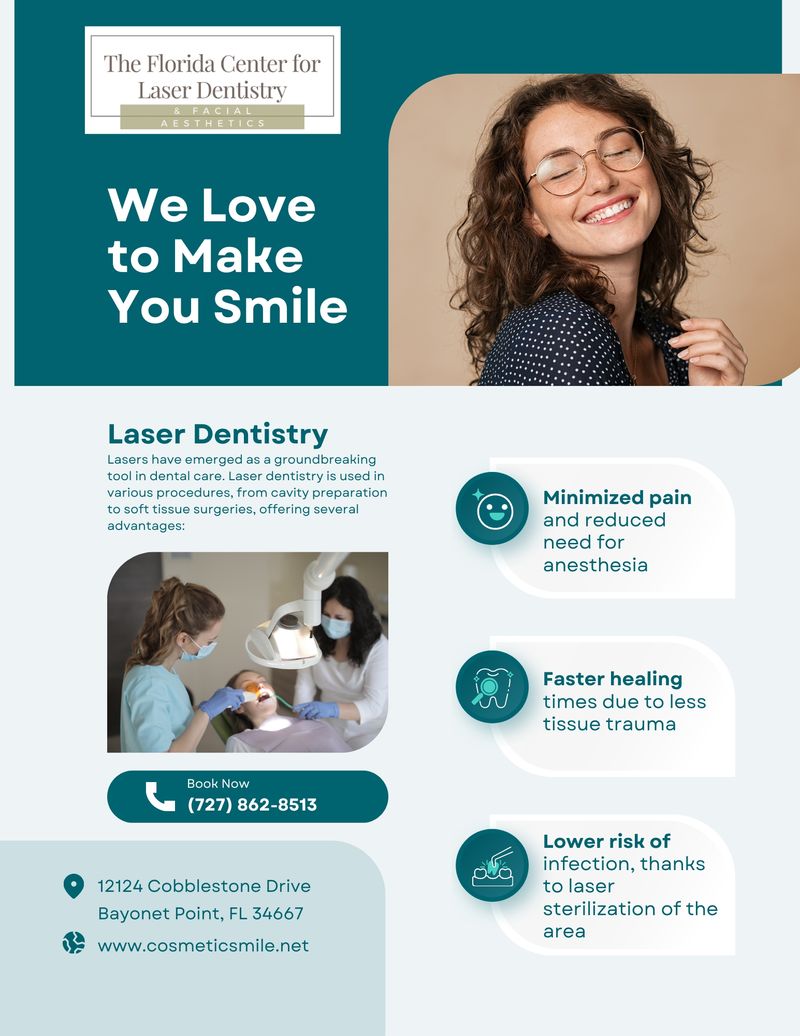
Lasers have emerged as a groundbreaking tool in dental care. Laser dentistry is used in various procedures, from cavity preparation to soft tissue surgeries, offering several advantages:
· Minimized pain and reduced need for anesthesia
· Faster healing times due to less tissue trauma
· Lower risk of infection, thanks to laser sterilization of the area
Procedures such as gum reshaping, frenectomies, and even root canal disinfection are now often performed with laser equipment, making them less invasive and more precise.
CAD/CAM Technology (Computer-Aided Design and Manufacturing)
CAD/CAM technology enables the design and fabrication of dental restorations such as crowns, bridges, and veneers in a fraction of the time required by traditional methods.
· Chairside Restorations: With in-office CAD/CAM systems, dentists can take digital impressions, design the restoration, and mill it on-site—often within a single visit.
· Better Fit and Durability: Computer-designed restorations are known for their accuracy, which means improved function and longevity.
· Material Flexibility: Dentists can choose from a wide range of high-quality, tooth-colored materials for aesthetic and functional excellence.
Teledentistry and Virtual Consultations
Remote dental care, or teledentistry, gained prominence during the COVID-19 pandemic but has since continued to grow as a convenient alternative for initial assessments and follow-ups.
· Access to Care: Teledentistry bridges gaps for patients in rural or underserved areas.
· Cost-Effective: Virtual consultations can reduce unnecessary in-person visits.
· Continuity of Care: Patients can maintain regular check-ins, especially for orthodontic treatments or minor concerns.
3D Printing in Dentistry
Another major player in advanced dental is 3D printing. This technique allows for rapid, cost-effective production of dental items:
· Surgical Guides: Custom guides help ensure precision during implant procedures.
· Aligners and Retainers: Orthodontists use 3D printing to fabricate clear aligners like Invisalign.
· Prosthetics and Models: Crowns, dentures, and even full mouth models can be printed to exact specifications.
3D printing not only shortens the turnaround time for patients but also allows clinicians to experiment with prototypes before finalizing treatments.
Artificial Intelligence (AI) and Predictive Analytics
AI is becoming a valuable assistant in the dental profession, aiding in everything from diagnostics to patient communication.
· Automated X-ray Analysis: AI software can scan x-rays for cavities, bone loss, and other abnormalities with high accuracy.
· Predictive Tools: Machine learning models can anticipate future dental issues based on patient history and data trends.
· Virtual Assistants: AI chatbots can handle appointment booking, reminders, and basic queries, improving clinic efficiency.
As AI algorithms grow more refined, they are expected to become integral in treatment planning and personalized care pathways.
Biomaterials and Regenerative Dentistry
Research into biomaterials and tissue engineering is paving the way for a future where damaged oral tissues might be repaired—or even regrown.
· Biocompatible Fillings and Implants: Modern materials are designed to bond naturally with the body and resist corrosion, making them safer and more durable.
· Stem Cell Therapies: Though still in development, stem cell applications could potentially regenerate pulp tissue, bone, or even entire teeth.
· Guided Tissue Regeneration: This approach helps stimulate natural healing, particularly in periodontal treatments.
These innovations focus not just on fixing damage but restoring natural structure and function—a core goal of 21st-century dentistry.
Smart Devices and Patient Monitoring
Wearable technology and mobile health apps are extending dental care beyond the clinic.
· Smart Toothbrushes: Equipped with sensors, these devices track brushing habits and provide feedback through connected apps.
· Oral Health Trackers: Some tools monitor saliva pH, detect harmful bacteria, or even track signs of dry mouth and halitosis.
· Remote Monitoring: Orthodontic patients can now share scans taken from home, allowing for timely adjustments without repeated clinic visits.
Such innovations empower patients to take a more active role in their oral health and support early intervention.
The integration of digital tools, biotechnology, and artificial intelligence into dental practice marks an exciting turning point. As advanced dental technologies continue to evolve, they promise even greater accessibility, accuracy, and personalization.
But as with all technologies, their success depends on thoughtful implementation, practitioner training, and patient education. Ethical concerns around data privacy and overreliance on automation must also be carefully managed.
Despite these challenges, the dental industry is well-positioned to embrace a future where cutting-edge tools not only improve outcomes but transform the entire patient experience—from diagnosis to recovery.
At the forefront of incorporating these innovative practices into everyday care is The Florida Center for Laser Dentistry, where modern technology meets thoughtful dental expertise.